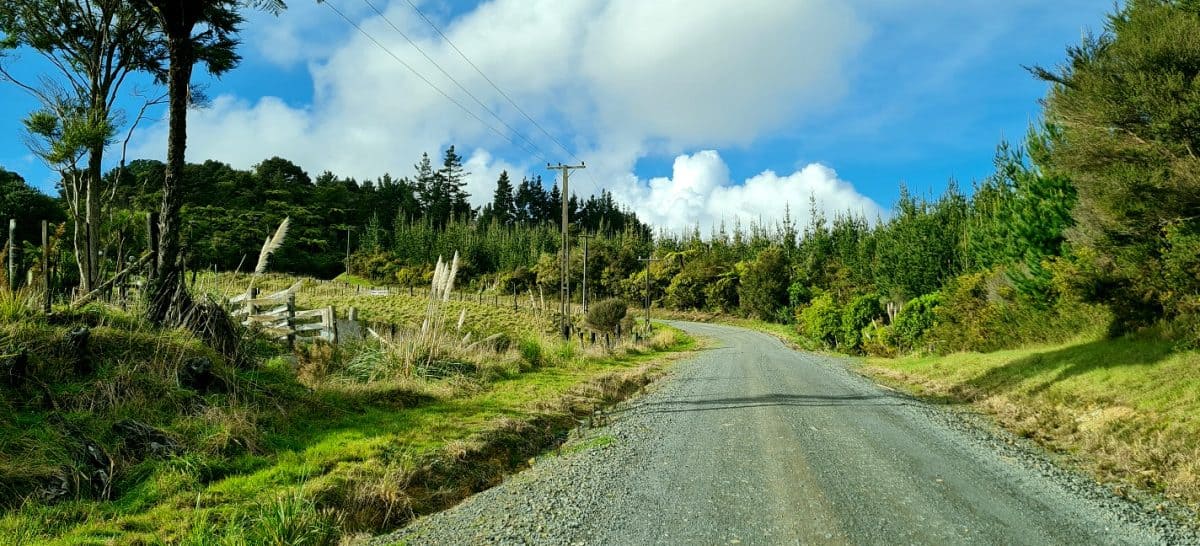
Sealed vs Unsealed: New Zealand’s Gravel Road Network
Most New Zealanders picture roads as strips of smooth black tarmac. But about a third of the country’s local road network has never seen a drop of bitumen — it is gravel, metal, and in a wet winter, mud. These unsealed roads rarely make the news, yet they carry the economies and the daily lives of rural New Zealand. Here is how the gravel network works: why so many roads stay unsealed, how they are kept passable, and what it actually takes to get one sealed.
New Zealand’s Other Road Network
A Third of the Network, Out of Sight
New Zealand has roughly 90,000 kilometres of local road, and a striking share of it — in the order of a third — has never been sealed. These are the unsealed roads: gravel, metal, and dirt in the wet. They thread through hill country, service farms and forestry blocks, and connect small settlements that never generated enough traffic to justify a layer of bitumen. Most New Zealanders rarely drive on them, which is precisely why they are so easy to forget when transport policy is written in Wellington. But for the communities at the end of them, the gravel road is the only road, and its condition shapes everything from the school run to the cost of getting stock to the works.
What ‘Unsealed’ Actually Means
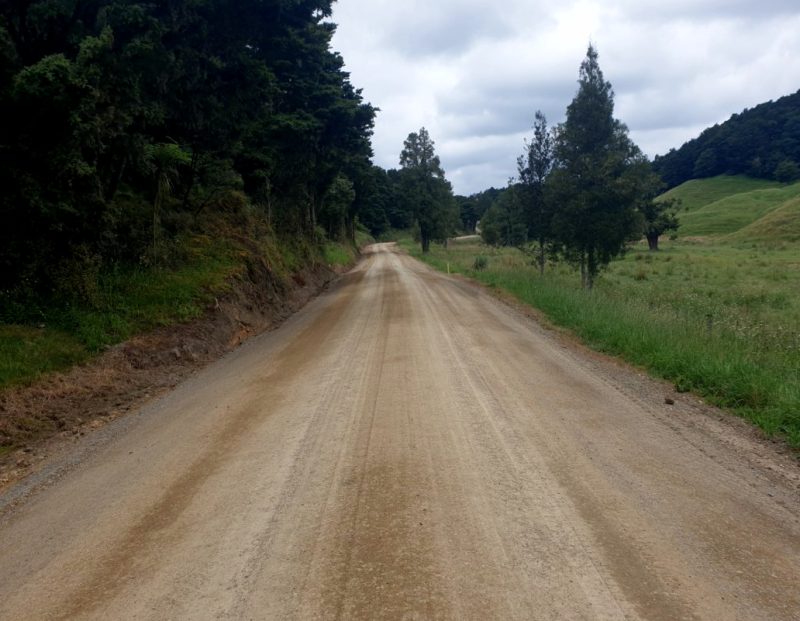
An unsealed road is not a road that someone forgot to finish. It is a deliberate piece of engineering, just a cheaper one. Beneath the loose surface sits a formed and compacted subgrade, topped with a basecourse of crushed rock and a running course of finer aggregate — the metal that tyres actually run on. What it lacks is the sprayed bitumen and chip that would lock that surface in place. That missing seal is the whole story: it makes the road far cheaper to build, but it leaves the surface loose, free to scatter under traffic and wash away in the rain, which is why a gravel road demands attention that a sealed one does not.
Why So Many Roads Stay Gravel
The Economics of a Seal
The reason a road stays gravel is almost always money, and specifically the cost per kilometre measured against how many vehicles use it. Sealing is not a one-off expense — it buys a better surface, but one that then needs its own cycle of resealing every decade or so. For a road carrying thousands of vehicles a day, the maths is easy: the seal cuts dust, maintenance and vehicle wear enough to pay for itself many times over. For a road carrying a dozen vehicles a day, it does not come close. The seal would cost the same per kilometre but serve a tiny fraction of the people.
The Seal Extension Threshold
Councils, which own and maintain the bulk of the unsealed network, ration sealing using rough traffic thresholds. The rule of thumb has long sat somewhere around 100 to 200 vehicles per day — below that, a road is generally left in gravel; above it, sealing starts to stack up, especially where dust or crash history tip the balance. Those decisions are not made in isolation. Local road costs are co-funded by central government through the Funding Assistance Rate (FAR), with the National Land Transport Fund covering a share and ratepayers the rest. Because that pool is finite, every seal extension competes with potholes, bridges and safety work for the same dollars.
When the Traffic Never Adds Up
The hard truth across much of the network is that the traffic will never add up. A great many unsealed roads exist to serve a handful of properties — a few farms, a marae, a cluster of lifestyle blocks. They are long, lightly used, and no plausible growth will lift them over a sealing threshold. For these roads, the honest position is that gravel is not a failure of investment but the rational level of service, and the conversation shifts from when will it be sealed to how well can it be maintained.
How a Gravel Road Is Kept Alive
Grading and the Running Course
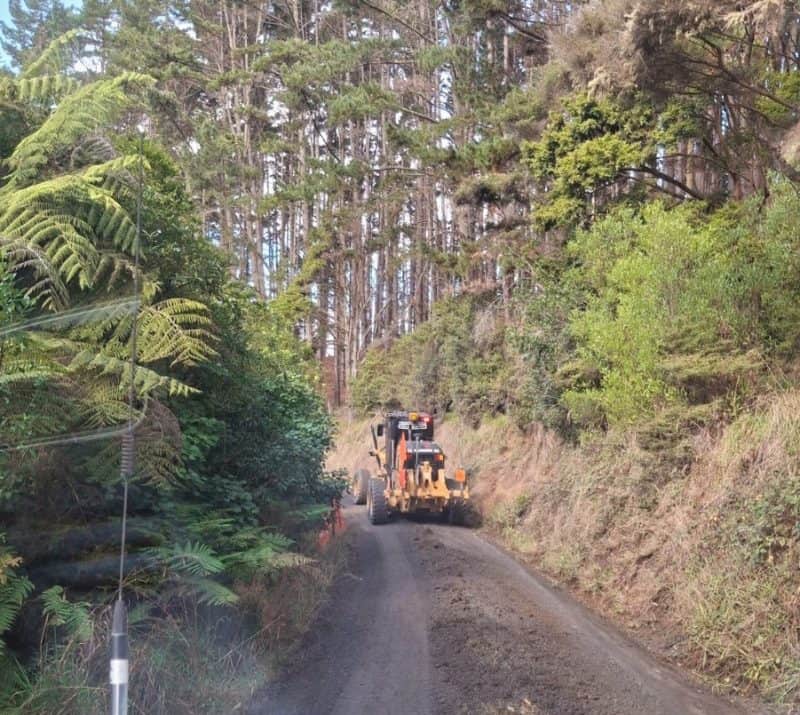
A gravel road is maintained in motion. The core task is grading — running a blade along the surface to pull scattered metal back into shape, restore the camber (the crossfall that sheds water to the verges), and cut out the potholes and ruts that traffic carves in. Grading does not add material; it redistributes what is already there. Over time the running course thins as metal is flung into the verge and ground to dust, so councils periodically re-metal the road, carting in fresh aggregate to top it up. The cycle of grade, lose, re-metal is the rhythm of every gravel road budget in the country.
Dust, Corrugations and Potholes
Three failure modes dominate. Dust is the most visible: every passing vehicle lifts the fine fraction of the surface into the air, fouling washing lines, coating paddocks, and on a busy day becoming a genuine safety hazard. Corrugations — the washboard ripples that rattle your fillings — form where vehicles brake and accelerate, and they worsen until graded out. Potholes open wherever water pools and traffic pounds. The common enemy is water and loose material, which is why dust suppression and good drainage do as much for a gravel road as the grader does. The physics of washboarding is well understood; managing it on a budget is the harder problem.
The Rural Equity Question
Living at the End of a Gravel Road
For the people who live on it, an unsealed road is not an abstraction in an asset register. It is the surface the school bus crawls along, the one the milk tanker has to reach every day, the one an ambulance takes in the dark and the wet. It chews through tyres and suspension, films the house in dust through summer, and turns greasy and rutted in winter. None of this is catastrophic on any single day, but it is a steady tax on rural life that urban commuters on smooth motorways never pay and rarely picture.
Fair Share or Fair Outcome
This is where the regional equity question bites. Rural ratepayers help fund a vast length of road serving very few people — the cost per resident of a rural network dwarfs that of a city. Seen one way, sealing every gravel road would be a wildly inefficient use of national money. Seen another, leaving rural communities on a permanently lower standard of service is its own kind of unfairness. Both things are true at once, and the sector tends to dodge the tension rather than name it. The defensible answer is not to seal everything, but to be honest that gravel is a deliberate level-of-service decision — and then to maintain it to that standard properly, rather than letting it quietly degrade.
What It Takes to Get a Road Sealed
Making the Case
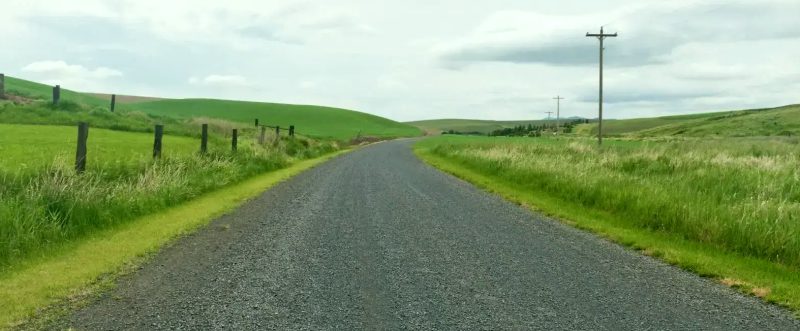
Getting a road sealed usually starts with the community making a case to its council — a petition, a safety concern, or a new land use that lifts traffic. The council weighs it against its seal extension programme, if it has one, assessing traffic counts, dust complaints, crash history and cost. A favourable assessment becomes a business case that competes for funding in the council’s own programme and, through the Regional Land Transport Plan, for a share of national funding. None of this is quick, and none of it is guaranteed.
The Reality of the Queue
Even a strong case joins a long queue. Seal extension budgets are small and discretionary — among the first things trimmed when maintenance costs rise — so a road that clears every technical hurdle can still wait years, sometimes decades, for its turn. Occasionally a special fund or a major new development jumps a road forward; far more often, communities are told their road is on the list and to be patient. For councils it is a genuine bind: the demand is real, the cases are fair, and the money is simply not there to seal at the rate rural New Zealand would like. The grader, for most of the network, remains the answer.
The gravel road is not a road waiting to be finished. For most of the unsealed network, it is the rational level of service — the honest match of cost to traffic. The real test is not whether every road gets sealed, but whether the ones that stay gravel are maintained to a standard that respects the people who depend on them. That is a question of money, but also of whether rural New Zealand is seen at all.
4 Comments
Live 11km up a metal road. The grader comes through maybe three times a year, and after every big rain it’s corrugations and potholes until it does. The seal-extension threshold you mention is the killer — we’ll never have the traffic count to qualify, so we just never get sealed.
The dust is the part town people don’t get. All summer the house, the washing, the water tank — everything wears a film of it. We’ve asked for dust suppression for years; it always loses out to a busier road’s pothole.
Your ‘fair share or fair outcome’ framing nails it. We pay the same rates and RUC as the sealed-road folk, but the network spend follows the volume. Equitable by the numbers, maybe, but it doesn’t feel fair from the end of a dusty road.
Good piece. One thing — a well-graded running course with the right camber sheds water and lasts; a bad grade just shoves the metal to the edges and the road scrubs out in a fortnight. The skill of the grader operator matters far more than people realise.